Time Travel - Calcutta History
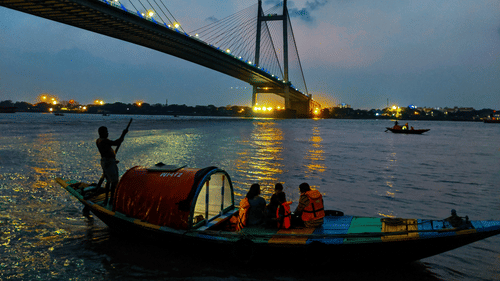
The former name of Calcutta is the anglicised name for Kalikata. The name is derived from Kalikshetra meaning ‘Land of the Goddess Kali’. Another story reveals that the name Kalikata is most probably derived from oil (calcium) or kali (lime) - a nod to the industries in the area.
The history of the city dates back to years before the British Colonisation of the country, The city is believed to have been a trading hub and mentions of the city can be found in artefacts from the Maurya and Gupta empires. Several shreds of evidence have been found that prove the possibility of settlements in Kolkata during the Maurya and Gupta empires; some of the evidence includes traces of pottery and stone beads that hint at the possibility of trading in this part of the subcontinent.
This debate is further strengthened by the presence of the tributary of the Ganges (Bhagirathi River), a major river that connects the entirety of the northern subcontinent of India.
Colonial Era in Calcutta
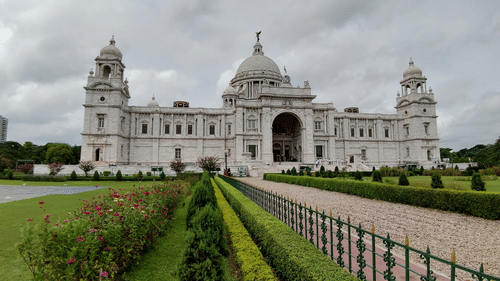
The city then began to flourish as a major trading hub and was named the capital in 1772. This solidified Calcutta as the centre of power for the British Raj in India. The 18th and 19th centuries witnessed rapid development in the construction of buildings such as the Victoria Memorial, St Paul's Cathedral and prestigious educational centres like Presidency College and The Calcutta Medical College.
Hotbed For India's Freedom Struggle
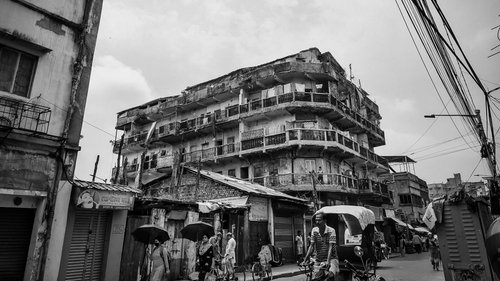
As the freedom struggle for independence intensified, Calcutta emerged as the centre for all revolutionary activities. This period of Kolkata history also witnessed the Renaissance - a period when there was a cultural awakening among the people led by figures like Raja Ram Mohan Roy and Rabindranath Tagore. The formation of Congress, the partition of the country, and fiery protests - the city witnessed it all.