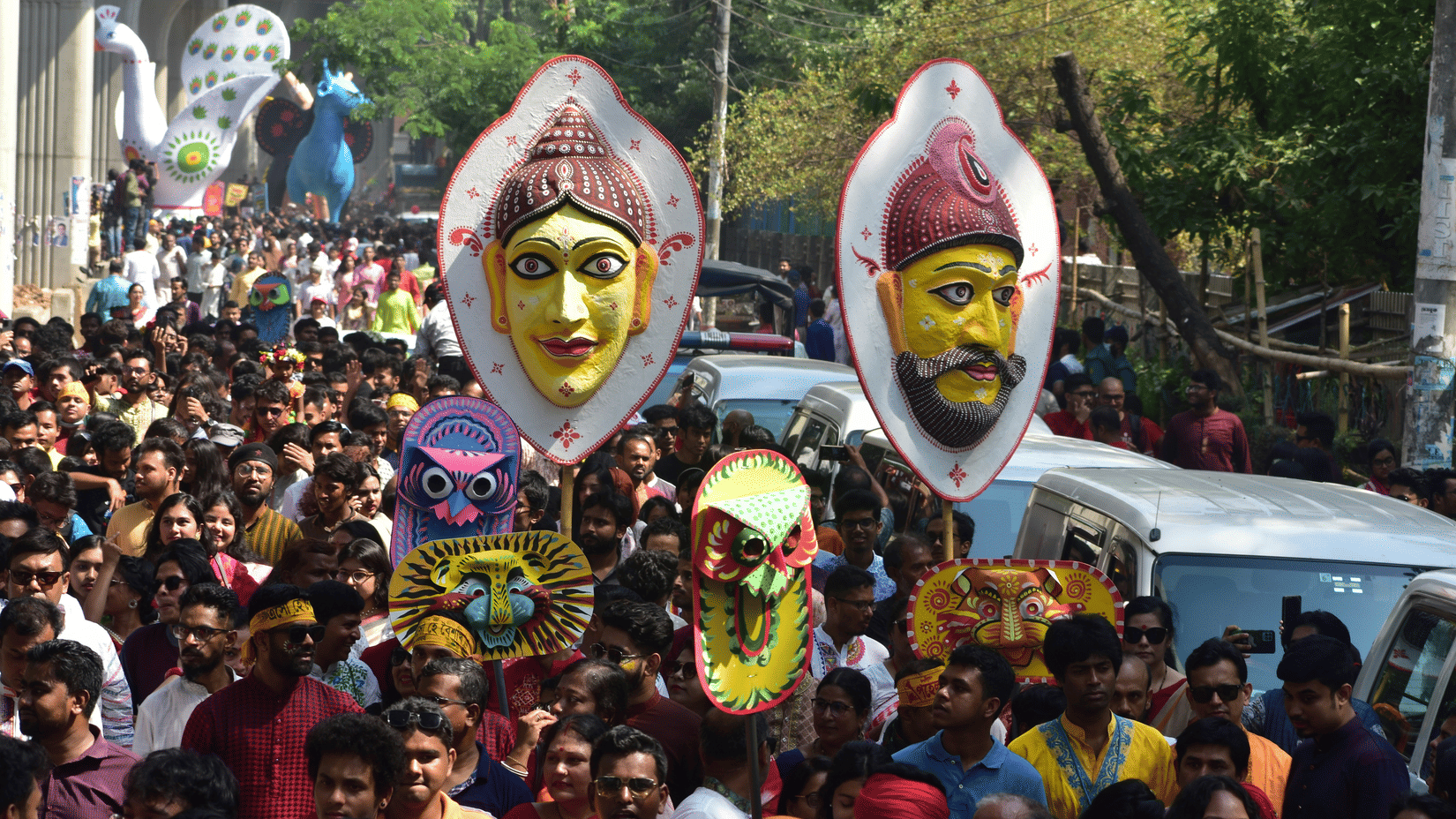
What is Poila Boishakh and Why Does It Matter?
Poila Boishakh traces its origins to debates that historians have not fully resolved. There are two widely cited accounts of how the Bengali calendar and its New Year came to be. The Bengali calendar’s origins are debated: one theory credits King Shoshangko with establishing the era around 594 AD. Another attributes its formalisation to Emperor Akbar in 1584 AD century, who aligned the solar cycle with agricultural harvests for tax purposes. Neither origin has been conclusively established as the definitive one, and both continue to be cited in different historical and cultural accounts.
What is clearer is how the festival evolved: deepened as a cultural celebration during the Bengal Renaissance through the works of Rabindranath Tagore and Kazi Nazrul Islam, and over time, transformed from a day of agricultural and commercial significance into one of Bengal's most cherished cultural occasions.
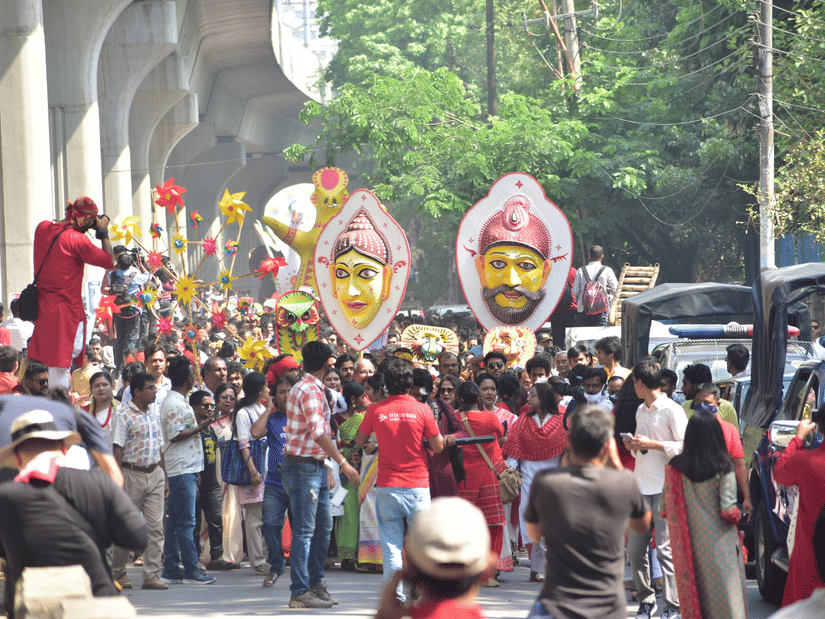
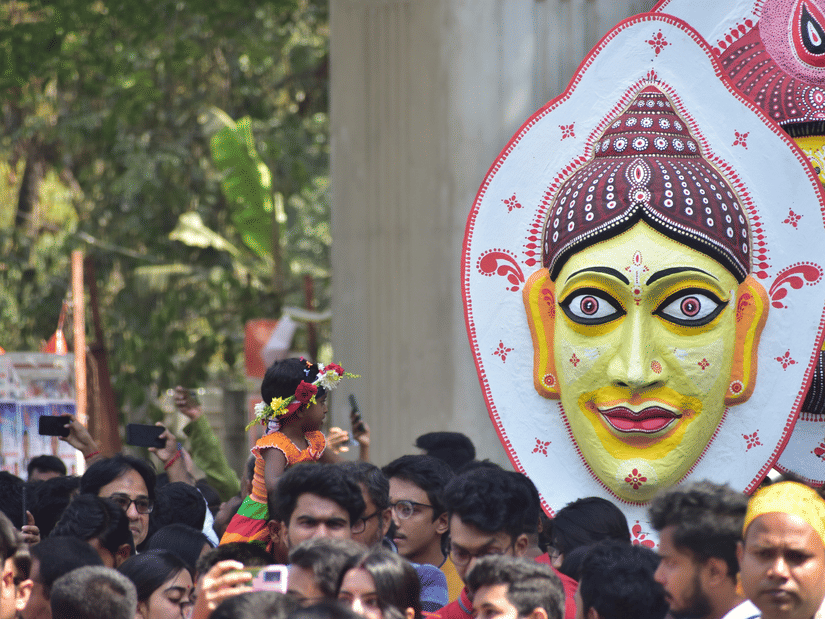
- Date: Mid-April, usually on 14th or 15th April
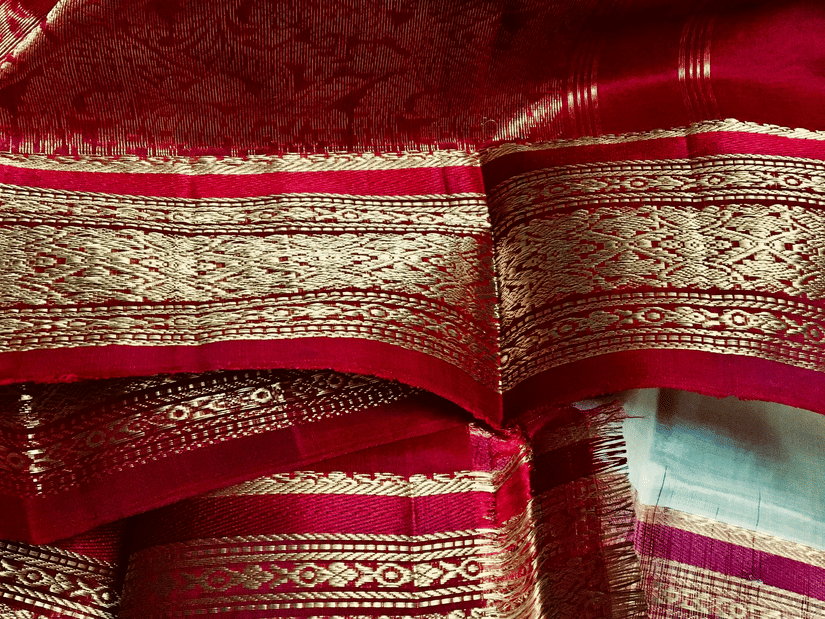
- Traditional Attire: Women in red and white sarees; men in panjabi and dhoti
- Key Rituals: Temple visits, Haal Khata (opening of new business ledgers), family gatherings, and alpona at doorways
- Celebrated in: West Bengal, Tripura, Assam, Bangladesh, and Bengali communities worldwide
Cultural Hubs:
- Rabindra Sadan and Nandan Complex: The cultural heart of Kolkata, located near Acharya Jagdish Chandra Bose Road, South Kolkata, hosts Rabindra Sangeet performances, dance recitals, theatre, and state-organised events throughout the day and evening.
- Golpark and Gariahat: South Kolkata's cultural and commercial belt sees large community gatherings, open-air programmes, and festive street activity throughout Poila Boishakh.
- Kumartuli: Visit the artisans' quarter during the festival to see the clay sculptors whose craft is deeply rooted in Bengali tradition.
- Park Street: As a central hub for the Bengali New Year, Park Street comes alive with festive crowds and decorated storefronts, offering an easily accessible celebration atmosphere.
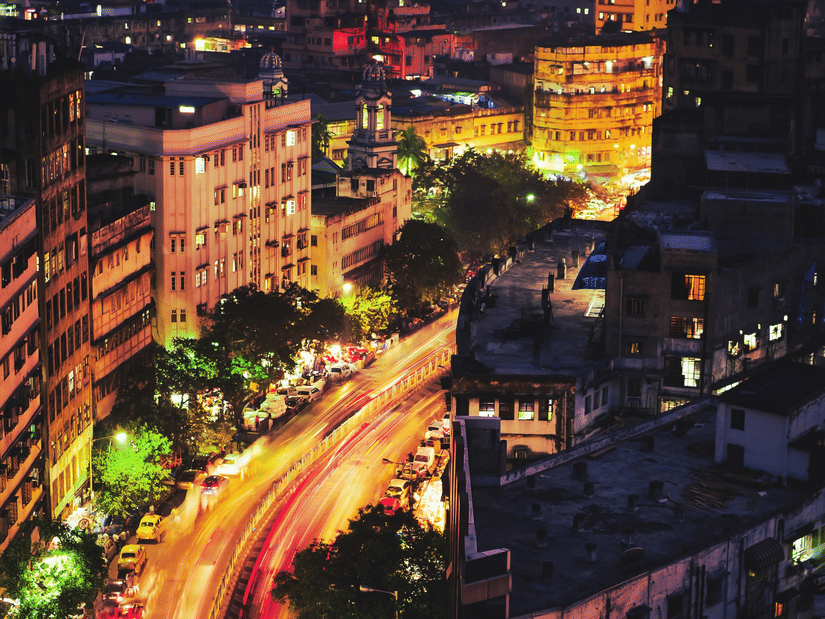
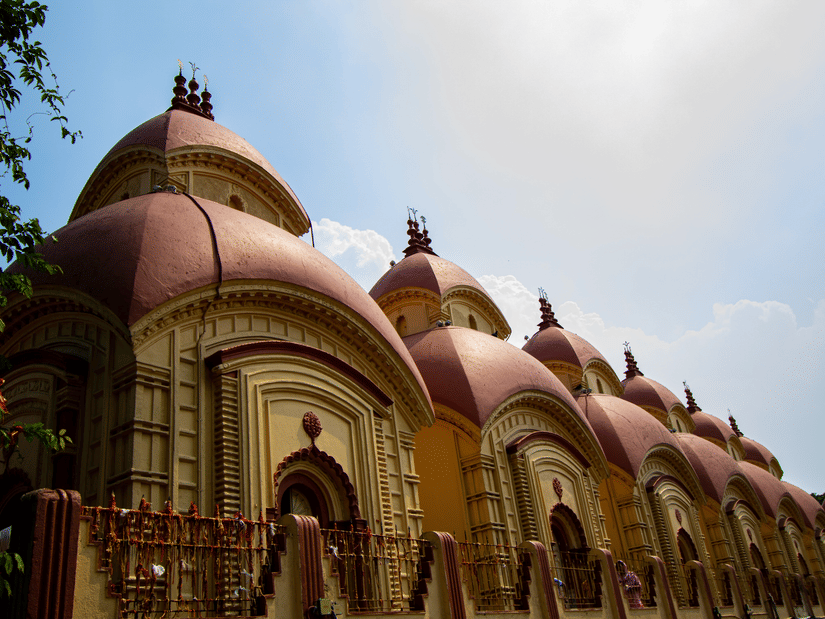
Temples:
Temple visits are a cornerstone of Poila Boishakh traditions. Devotees seek blessings for the New Year, and the city's major temples see some of their largest crowds of the year. Expect long queues, particularly at the following:
- Dakshineswar Kali Temple: Located near Belur Math, this is one of the most visited temples on the Bengali New Year, drawing devotees from across the city and beyond.
- Kalighat Kali Temple: One of the 51 Shakti Peethas, Kalighat draws enormous crowds on this day.
Traditional Dishes:
- Panta Bhat: Fermented rice served with mustard oil, green chilli, onion, and dried fish—a quintessential Pohela Boishakh meal
- Basanti Pulao: Also known as Mishti Pulao, made with rice marinated with saffron or turmeric, ghee, ginger, cashews, and raisins—served with fish or veg curries
- Shorshe Ilish: Hilsa fish cooked in mustard sauce, one of the most celebrated dishes in Bengali cuisine, and a staple of the New Year meal
- Radhaballabhi with Alur Dom: Deep-fried lentil-stuffed pastry served with spiced potato curry, widely available at sweet shops and roadside stalls
- Mishti: Sandesh, Rasgulla, Chom-chom, and Mishti Doi (sweet yoghurt) served at every gathering and available at sweet shops citywide
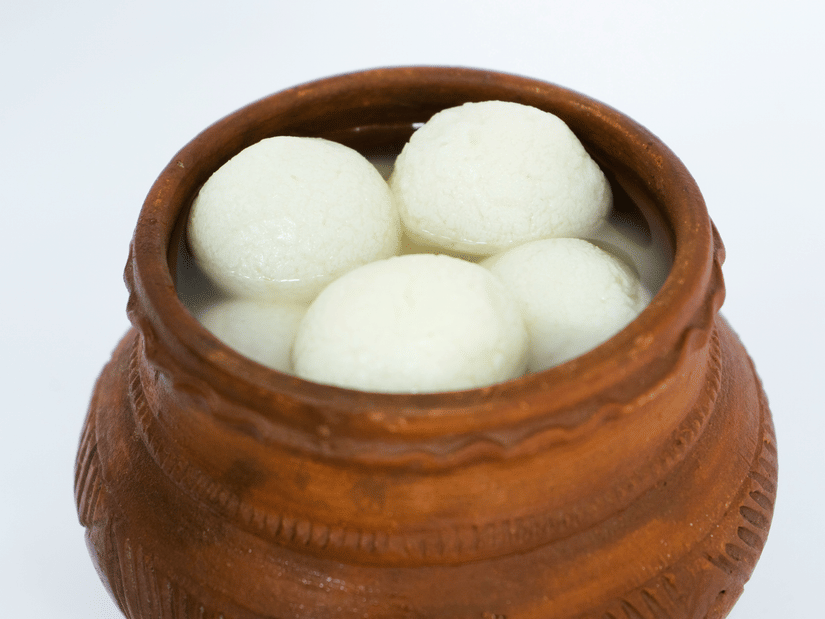
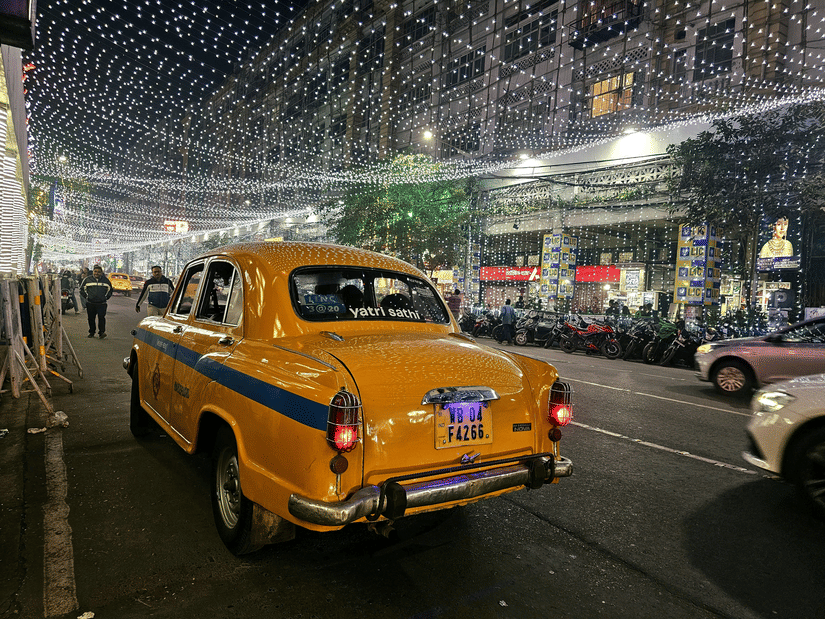
Where to Eat:
- Established Bengali restaurants in Park Street and Gariahat areas prepare special Poila Boishakh thalis and festive menus.
- Traditional sweet shops (mishti dokan) across the city stock special Poila Boishakh preparations from early morning
- Street food stalls near major celebration spots serve kathi rolls and snacks throughout the day.
Shopping for Poila Boishakh: Where to Go in Kolkata
New clothes are an important part of the Poila Boishakh tradition, and Kolkata's shopping districts see their busiest footfall of the year in the days leading up to and including the Bengali New Year. Key shopping areas include:
- Gariahat: South Kolkata's busiest market for traditional Bengali sarees, including Tant and Jamdani, along with kurtas/panjabi, ethnic jewellery, and accessories
- New Market: A historic shopping destination in central Kolkata, well stocked with traditional festive attire, jewellery, and gifts
- Hatibagan: North Kolkata's popular market, known for affordable traditional clothing and festive items
- Esplanade: A vibrant hub bustling with clothing and accessories stores, and street food stalls
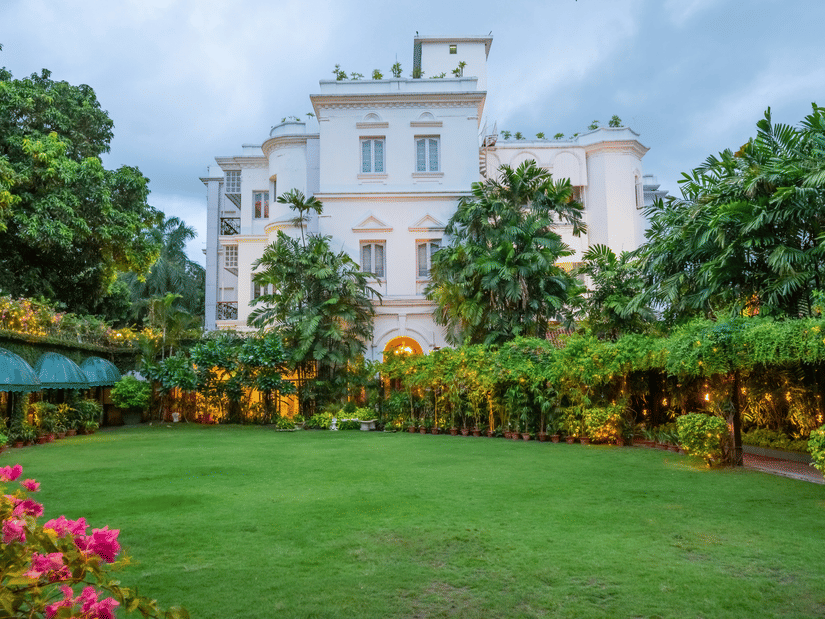
Kenilworth Hotel, Kolkata: The Ideal Base for Your Poila Boishakh Stay
Located on Little Russell Street, the 4-star Kenilworth Hotel, Kolkata, is a heritage stay just moments from Park Street and Camac Street, two essential destinations for Poila Boishakh festivities. Its central location places guests within easy reach of the Rabindra Sadan and Nandan cultural complex, Park Street, the Victoria Memorial, St. Paul's Cathedral, the Indian Museum, and Maidan, all of which are accessible on foot or within a short drive. For families and couples seeking a comfortable stay near the cultural heart of the Bengali New Year celebration in Kolkata, Kenilworth offers a practical solution that eliminates the need for long commutes.
- Rooms: Well-furnished and decorated rooms and suites with minibar, TV, tea and coffee maker, digital safe, premium bedding, and complimentary Wi-Fi
- Dining: Two dining outlets: Aromas, a multi-cuisine coffee shop open through the day, and Ovenfresh, the hotel's bakery
- Wellness: The in-house Sparoh spa and salon provides a full suite of wellness services, including therapeutic massages, aromatherapy, body wraps, and professional beauty treatments. The health club includes a fitness centre and a steam room.
- Location Highlights: About 550 m from the Maidan metro station, within walking distance of Victoria Memorial, 3 km from New Market, and a short drive from Eden Gardens (~4 km) and Kalighat Temple (~5 km)