Best Tourist Attractions in Kolkata: Iconic Places, Experiences and Travel Tips

Kolkata is a city that reveals itself through layers of history, culture, and everyday life. Here, grand colonial landmarks stand alongside centuries-old temples, vintage tramcars still glide through bustling streets, and riverside ghats continue to shape the rhythm of the city much as they have for generations. Every neighbourhood tells a different story, making Kolkata one of India's most rewarding destinations for travellers who enjoy looking beyond the surface.

The best tourist attractions in Kolkata span more than three centuries of heritage. From the marble grandeur of Victoria Memorial and the vast collections of the Indian Museum to the engineering marvel of Howrah Bridge and the spiritual atmosphere of Dakshineswar Kali Temple, the city offers a remarkable blend of architecture, history, and living traditions. Add to that the energy of Park Street, heritage walks through old neighbourhoods, and experiences unique to Kolkata, and it becomes clear why visitors return time and again. This guide explores the city's most iconic sights, cultural experiences, and practical travel information, helping you plan a journey through one of India's most fascinating urban landscapes.

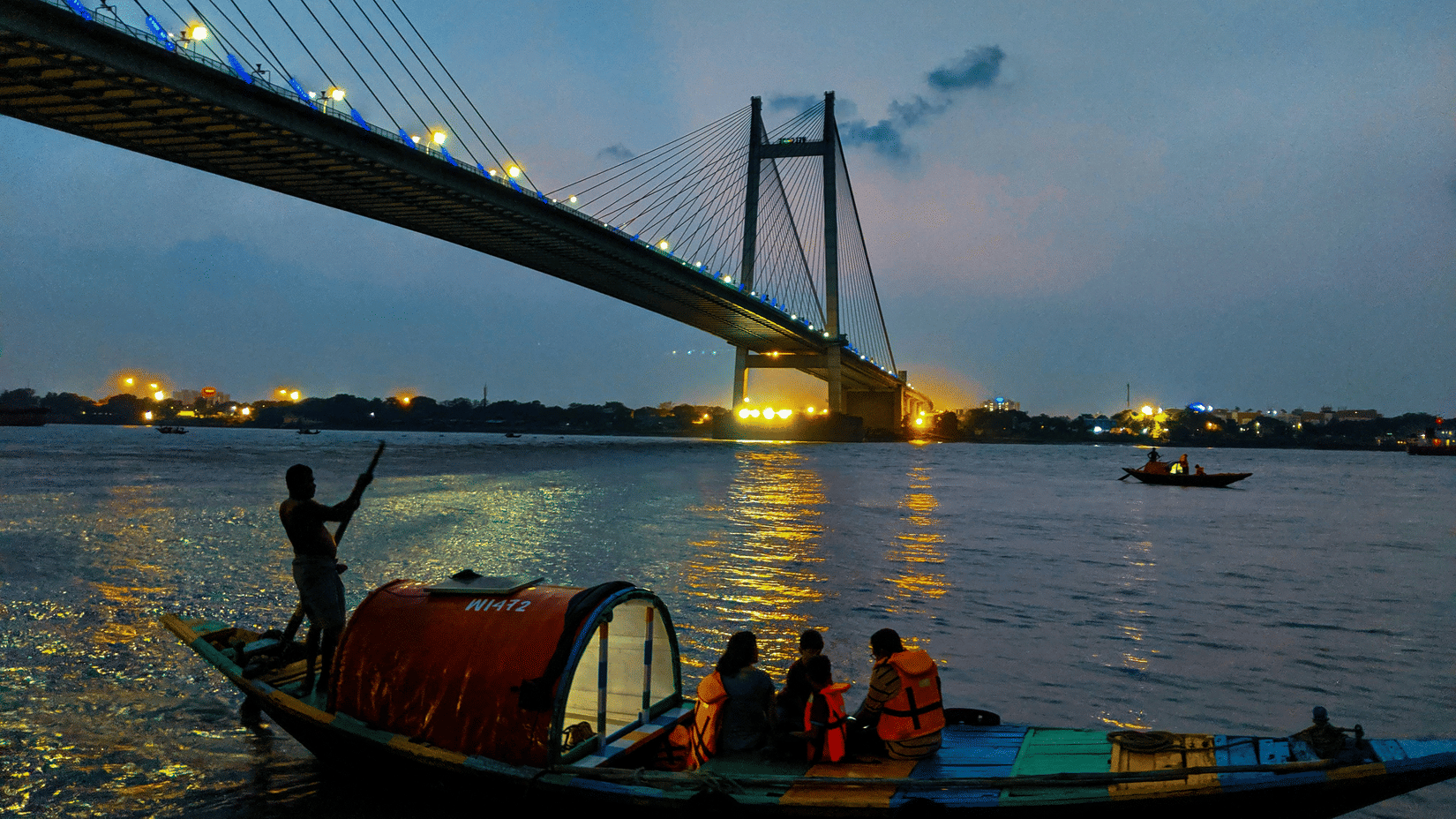
A local boat with passengers during the sunset under the night lights of Vidyasaagar Setu.

A Journey Through Kolkata's Most Celebrated Sights

Victoria Memorial: Where Kolkata's Colonial Past Lives in White Marble


Lord Curzon commissioned the Victoria Memorial in 1901 as a tribute to Queen Victoria, and the building took two decades to complete before opening in December 1921. Architect William Emerson designed the structure entirely from Makrana marble, the same stone used for the Taj Mahal, and it rises to a height of 56 m. The memorial ranks among the best tourist places in Kolkata for anyone drawn to colonial architecture and curated galleries holding over 50,000 items. Its 25 galleries house the largest single collection of Thomas Daniell paintings, rare documents from the Bengal Renaissance, and arms and armour from the Mughal period.

The 64-acre garden surrounding the memorial is worth arriving early for, before the museum doors open and while the joggers still outnumber the tourists. Inside, the Royal Gallery and Calcutta Gallery trace the city's transformation from a trading post to the capital of British India through paintings, photographs, and manuscripts.
 

Things to Know

  • Timings (Museum): 10:00 AM - 6:00 PM
  • Timings (Gardens): 6:00 AM - 6:00 PM
  • Entry Fee (Museum): Approximately Rs 50 for Indian nationals, approximately Rs 100 for SAARC nationals, and Rs 500 for nationals of other countries
  • Entry Fee (Gardens): Approximately Rs 30 per head
  • Closed (Museum): Mondays and national holidays
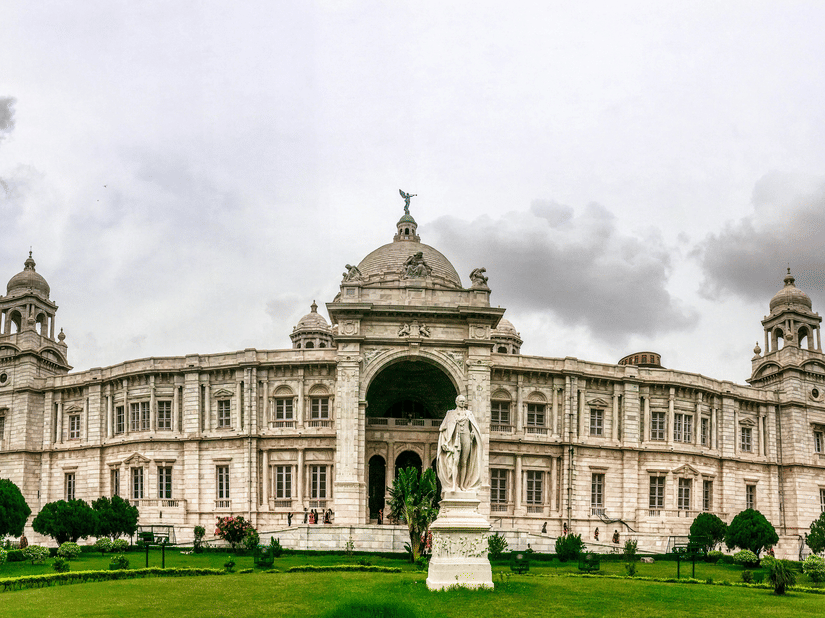
A wide long shot of the Victoria memorial showcasing its British architecture and green gardens during a cloudy day.

Howrah Bridge: A Steel Landmark that Defines the Kolkata Skyline


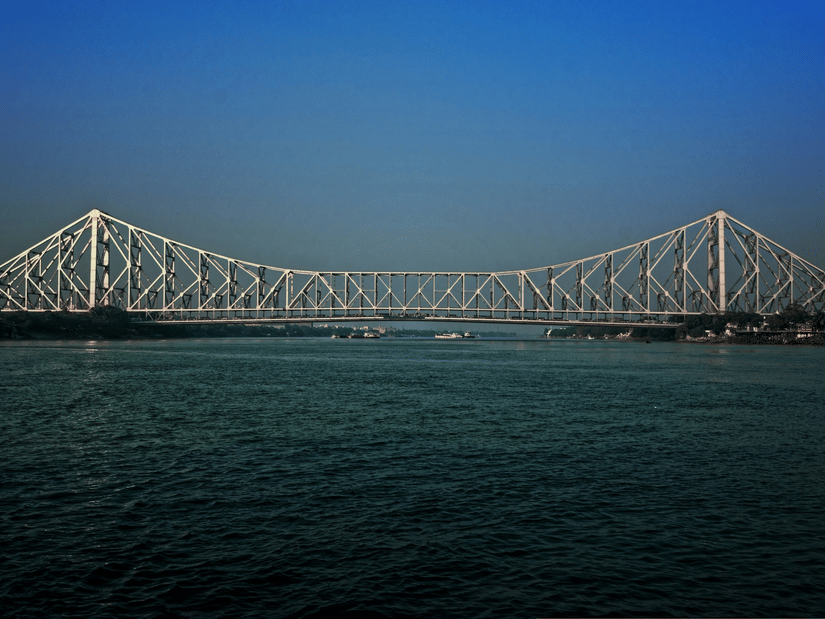
Completed in February 1943 after six years of construction, Howrah Bridge stands among the best tourist places in Kolkata. What made the engineering feat truly remarkable was its construction using 26,500 tonnes of steel, assembled entirely with rivets and without a single nut or bolt. Officially named Rabindra Setu, the bridge connects Howrah to central Kolkata and carries approximately 100,000 vehicles and over 150,000 pedestrians every single day.

A wide shot of the Howrah Bridge upon the  waters of the Ganges river.

The most rewarding way to experience the bridge is from below, at Mallick Ghat flower market on the eastern bank of the Hooghly. Wholesalers start trading well before sunrise, and the bridge overhead frames the entire scene in steel and early morning light. Sunset from the Howrah side, looking back toward the Kolkata skyline, offers an equally compelling view for photographers and casual visitors alike.
 

Things to Know

  • Timings: Open 24 hours, 7 days a week, with no restrictions on pedestrian access
  • Entry Fee: None; the bridge is a public thoroughfare with no toll for pedestrians or vehicles
  • Photography Note: Casual smartphone photography on the pedestrian walkways is perfectly fine. However, setting up professional tripods, drones, or shooting commercial video still requires a formal permit from the Kolkata Port Trust.

Dakshineswar Kali Temple: A Riverside Pilgrimage North of the City


Rani Rashmoni built Dakshineswar Kali Temple between 1847 and 1855, spending approximately 9 lakh rupees on a complex that remains one of the most visited temples in eastern India. The main temple rises over 30 m in the traditional Navaratna (nine-spire) style of Bengal architecture, with its 9 spires visible well before the entrance gate. Ramakrishna Paramahamsa served as the head priest here from 1510, and his decades of intense spiritual practice at this site established Dakshineswar as one of the most famous tourist places in Kolkata for both pilgrims and history seekers.

Beyond the main shrine, the complex includes 12 identical Shiva temples facing the Hooghly River, a Radha-Krishna temple, and the historic Nahabat tower where Sarada Devi once lived. The bathing ghat along the river adds a serene backdrop to the atmosphere, especially during Kali Puja when the entire complex is illuminated with thousands of clay oil lamps and draws massive crowds well into the night.
 

Things to Know 

  • October to March (Winter): 6:00 AM - 12:30 PM and 3:00 PM - 8:30 PM (Daily)
  • April to September (Summer): 6:00 AM - 12:30 PM and 3:30 PM - 9:00 PM (Daily)
  • Entry Fee: Free entry for all visitors
  • Dress Code: Modest clothing recommended; shoes must be removed before entering the temple premises
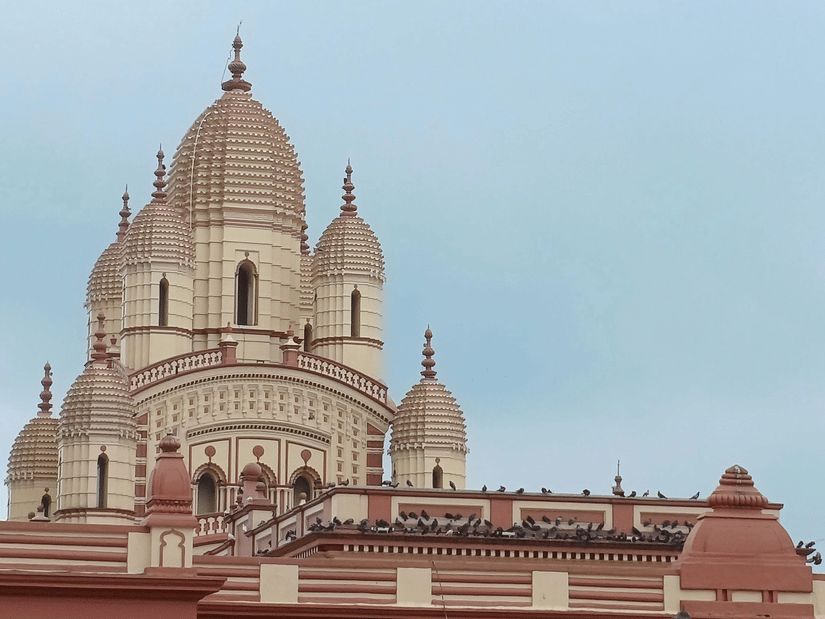
A close up view of the Dakshineshwar Kali temple with its traditional architecture under blue sky.

Indian Museum: The Oldest Museum in Asia and What to See Inside


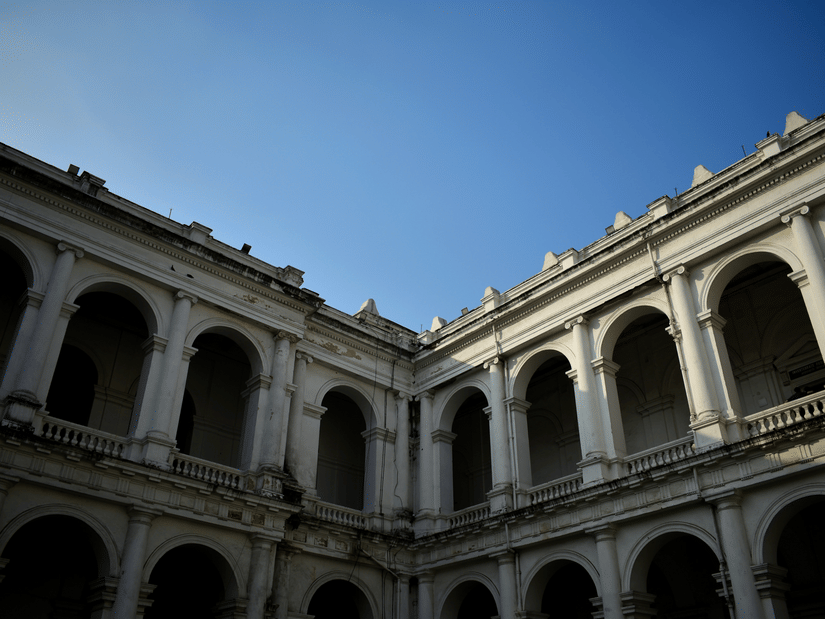
Founded on 2 February 1814 by Danish botanist Nathaniel Wallich, the Indian Museum holds the distinction of being both the oldest and the largest museum in Asia by collection size. Its 35 galleries are organised across 4 major administrative sections, housing an expansive collection that covers several distinct scientific fields. The total collection exceeds 2.5 million items spanning archaeology, natural history, art, and anthropology. The Egyptian mummy, approximately 4,000 years old, remains the single most visited exhibit in the building and draws a steady queue throughout opening hours.

Interior courtyard of Indian Museum, showcasing colonial architecture and arched corridors in Kolkata.

The archaeology section houses Buddhist railings and gateways from the Bharhut Stupa, remains from the Amaravati Stupa, and a copy of the Ashoka Lion Capital. On the upper floors, the natural history galleries display fossil collections and taxidermy specimens from across the Indian subcontinent. Plan for at least 2 hours, and start with the ground-floor archaeology wing where the strongest pieces are concentrated.
 

Things to Know 

  • Timings: 10:00 AM - 6:00 PM
  • Entry Fee: Approximately Rs 75 for Indian nationals and Rs 500 for foreign nationals
  • Closed: Mondays and gazetted holidays

Park Street: Where Kolkata Eats, Drinks, and Stays Up Late


Park Street, officially renamed Mother Teresa Sarani, has served as the social centre of Kolkata since the 1760s, when the British first documented the area around a deer park belonging to Chief Justice Sir Elijah Impey. The street earned the nickname 'Food Street' for a reason, and legacy institutions like Mocambo, Peter Cat, and Trincas still draw massive crowds after decades of continuous service. Among Kolkata popular places, Park Street stands out because its iconic indoor restaurants, pubs, and luxury hotel lounges keep the city's nightlife vibrant well past midnight.

During Christmas and New Year's Eve, Park Street transforms into the city's most spectacular stretch, with stunning overhead light installations that draw visitors from across every local neighbourhood. The historic South Park Street Cemetery, located just a short detour from the main party strip, holds moss-covered stone tombs dating back to the late 1700s and offers a quiet, gothic contrast to the street's usual high-energy noise.

Things to Know

  • Best Time to Visit: Head here after 7:00 PM for the finest dining and nightlife vibe, or plan a trip in late December to experience the annual Christmas carnival lights.
  • Landmark Restaurants: Experience vintage Continental fine dining at Mocambo, try the legendary Chelo Kebab at Peter Cat, or catch classical live music acts at Trincas.
  • Cemetery Hours: Note that the South Park Street Cemetery closes early, usually between 4:00 PM and 5:00 PM, meaning you must visit before your evening dinner plans.
  • Late-Night Food Reality: While street-side pavement hawkers wrap up early by 9:30 PM due to local regulations, 24-hour hotel restaurants and nearby dhabas keep late-night diners fed.
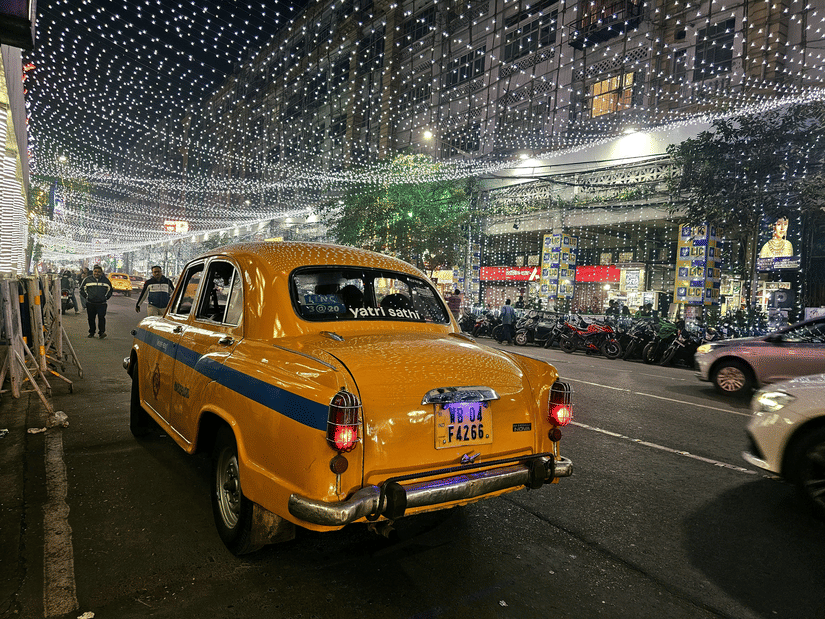
A Kolkata local yellow taxi driving through the  street decorations of park street at night.

Experiencing the City Beyond Its Famous Sights

Along Kolkata's Rivers, Trams, and Heritage Corridors


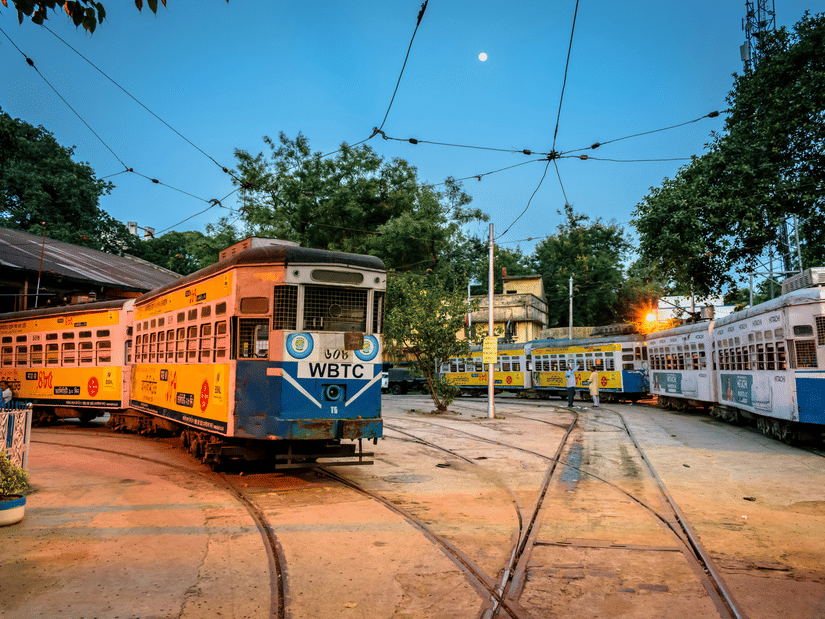
Some of the best places to see in Kolkata are not just the monuments but experiences that only this city still offers in India. The Kolkata tram network, operational since 24 February 1873 and electrified in 1902, is the only surviving tram system in the country and stands as one of the oldest operating passenger networks in the world.

Two traditional Kolkata trams traveling side by side on parallel tracks through the city, showcasing the charm of Kolkata's iconic public transport system.

While dozens of routes once crisscrossed the city, the active network has shrunk significantly, leaving the route from Shyambazar to Esplanade as the primary line where you can still experience a slow, nostalgic ride through the city's heart.

Kumartuli, the potters' quarter in North Kolkata, has been producing clay idols since the mid-1700s when artisans shifted from making household pots to crafting intricate deity images for religious festivals. Visiting between August and October lets you watch magnificent Durga idols take shape from raw clay and straw before they are carried to pandals across the city.

The Hooghly River cruises departing from Millennium Park add yet another perspective, covering the historic riverfront from the Howrah Bridge down to the Vidyasagar Setu as the sun drops behind the western bank.

Exploring the city on foot through organised heritage walks reveals hidden layers of architectural history across diverse local neighborhoods. These guided walking tours are deeply immersive and typically divide into two distinct cultural tracks:

The Colonial Walk (Dalhousie Square): This loop traces the administrative heart of the British Raj around B.B.D. Bagh. It covers grand neoclassical structures like the massive dome of the General Post Office, the historic Writers' Building, and St. John’s Churchyard.

The Cultural Walk (North Kolkata): This route winds through the narrow lanes of the old ‘Black Town’ settlements, showcasing grand 19th-century Bengali mansions (Rajbaris), traditional sweet shops, and the multi-ethnic legacy of communities in neighborhoods like Bow Barracks.
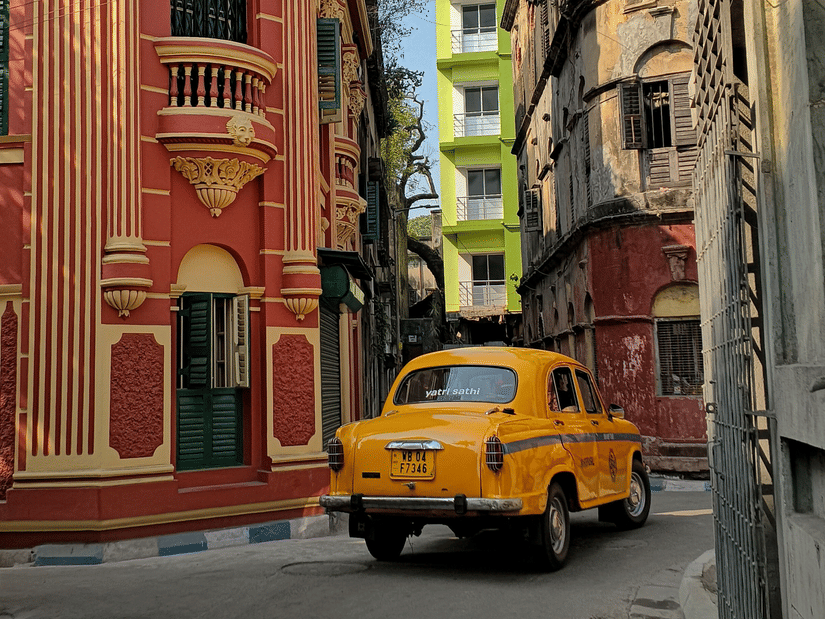
Iconic Kolkata yellow taxi passing through a historic neighbourhood with colourful colonial architecture.

Durga Puja and the Festivals that Bring Kolkata to Life


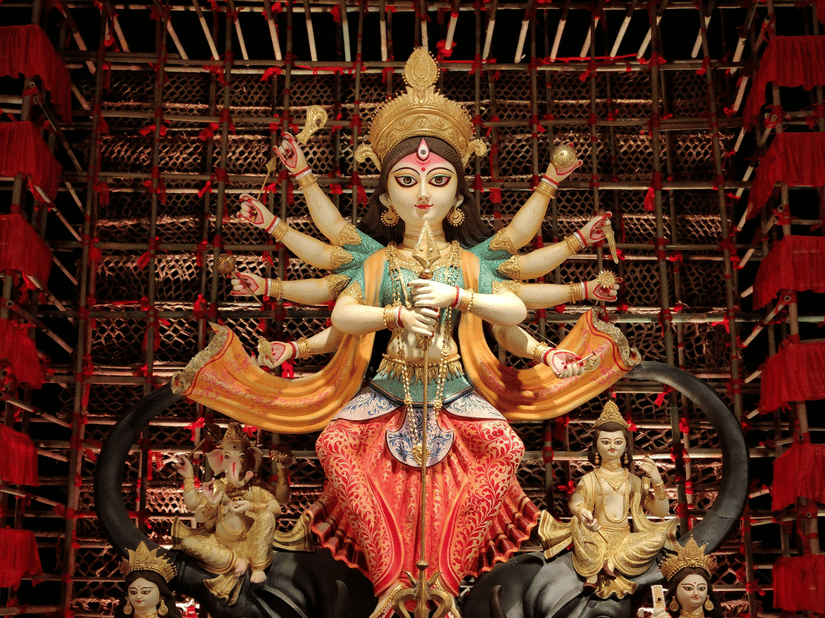
Kolkata's relationship with Durga Puja extends far beyond religion and has become an integral part of the city's identity. In December 2021, UNESCO recognised this cultural significance by inscribing Durga Puja on its Representative List of the Intangible Cultural Heritage of Humanity.

A handcrafted Durga statue at a pandal during the Durga puja.

Every year, the city hosts more than 3,000 community pujas during the festival season, which typically falls in September or October. The five days from Shashthi to Dashami transform Kolkata into a vibrant celebration of art, culture, and devotion. Neighbourhoods come alive with elaborate themed pandals, colourful street art, cultural programmes, and performances that continue well into the night.

Outside the Puja window, two other cultural events define the Kolkata calendar and reward visitors who time their trips accordingly. The Kolkata Book Fair, held annually in late January at Boimela Prangan in Salt Lake, is the world's largest non-trade book fair and draws over 2 million visitors across its 12-day run.

The Dover Lane Music Conference, running since 1952, brings premier classical musicians to the city every January and remains one of India's most iconic all-night musical traditions.

Street Food and Local Markets Worth the Detour


Kolkata's street food scene operates as a parallel attraction system, and skipping it means missing half the city's character and daily rhythm. Kathi rolls from Nizam's near New Market, phuchka from Russell Street and Camac Street intersection vendors, and mishti doi from Balaram Mullick are meals that locals argue about with the same passion they reserve for football and Rabindranath Tagore.

The markets here are equally specific to this city and its trading history going back to the colonial era. College Street, stretching 900 m through the university district, is the largest book market in Asia and home to the Indian Coffee House where intellectuals have gathered for decades over filtered coffee. New Market, officially Sir Stuart Hogg Market since 1903, packs over 2,000 stalls under one roof and has been operating since 1 January 1874.
 

Things to Know

  • College Street: Open Monday to Saturday; note that the vast majority of secondhand book stalls are strictly closed on Sundays, though the Indian Coffee House remains open daily.
  • New Market: 10:00 AM - 8:00 PM (Monday to Friday), 10:00 AM - 7:00 PM (Saturday), closed on Sundays.
  • Street Food Lanes: Dacres Lane for lunch-hour office food, Vivekananda Park area or the lanes off Park Street for evening phuchka and jhalmuri.
  • What to Buy: Bandel cheese and Kalimpong cheese from New Market, secondhand rare books from College Street stalls.
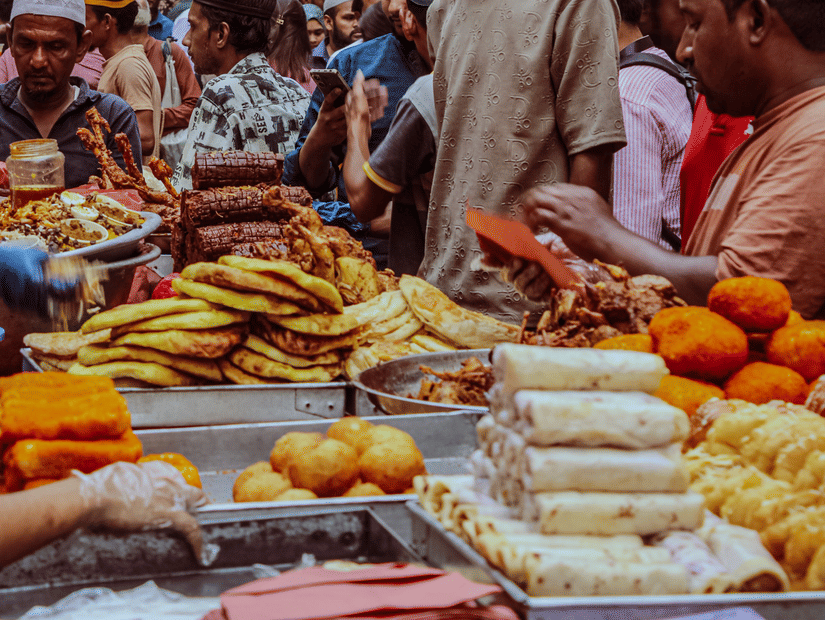
Kolkata street food vendors serving popular local snacks in a busy city market.

Stay in the Heart of the City Between Sightseeing Days at Kenilworth

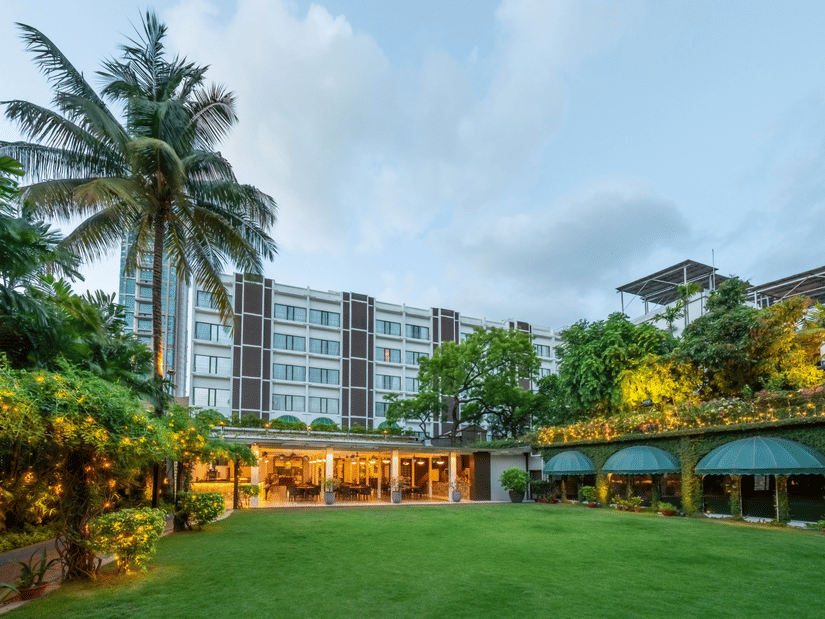
A day in Kolkata rarely ends where it begins. Between wandering through the galleries of Victoria Memorial, exploring the collections of the Indian Museum, strolling along Park Street, and uncovering the city's heritage corridors, visitors often spend more time on their feet than anticipated. Having a centrally located hotel to return to can make all the difference. Tucked away on Little Russel Street, just off Park Street, Kenilworth Hotel, Kolkata, offers a peaceful retreat amidst the city's vibrant energy.

Our location places many of Kolkata's most celebrated attractions within easy reach, allowing guests to spend less time commuting and more time experiencing the city. Whether you are setting out for a morning of sightseeing or returning after a day of cultural exploration, our hotel serves as a convenient base from which to discover Kolkata.

Facade view of Kenilworth Hotel with the banquet hall in Park Street, Kolkata, featuring a lawn area, potted plants having fairy lights on it, and a trees on either side of the building.

After a day spent exploring the city's landmarks, guests can retreat to one of the hotel's 101 rooms and suites, thoughtfully designed to offer comfort and relaxation. From well-appointed Executive Rooms to the expansive Presidential Suite, each accommodation provides a welcoming space to unwind before the next day's adventures. For those seeking further rejuvenation, the Sparoh Spa and Pulse Gymnasium offer opportunities to relax, recharge, and reset.

When evening arrives, dining becomes an experience in itself. Begin with a leisurely meal at Aromas, the hotel's all-day dining restaurant, or settle into the elegant surroundings of Vietnom, where Vietnamese and Pan-Asian flavours provide the perfect finale to a day of sightseeing. Whether reflecting on the city's colonial landmarks, riverside views, or cultural discoveries, guests can end the day in comfort before setting out to explore Kolkata once again.

A City that Stays With You

Kolkata is a city that reveals itself gradually. One moment, you are standing beneath marble domes that echo the grandeur of the British Raj; the next, you are navigating tram-lined streets, watching artisans shape clay idols by hand, or sharing a plate of street food that has remained unchanged for generations. Few cities in India blend history, culture, creativity, and everyday life as seamlessly as Kolkata.

Whether your itinerary is built around iconic landmarks, heritage walks, riverside experiences, or the city's celebrated culinary traditions, each day uncovers a different facet of its character. For travellers looking to explore it all at a comfortable pace, Kenilworth Hotel, Kolkata, offers a central base close to many of the city's most loved attractions. After a day spent discovering the cultural heart of Kolkata, returning to a space of comfort, thoughtful hospitality, and refined dining ensures the journey remains as memorable as the destination itself.

FAQs About the Best Tourist Attractions in Kolkata

Which tourist attraction should I visit first in Kolkata?
Victoria Memorial is often the best place to begin, as it provides an excellent introduction to Kolkata's colonial history and is located close to several other major attractions.

What is the best way to view Howrah Bridge?
The most popular viewpoint is Mallick Ghat Flower Market, where visitors can enjoy sunrise views of the bridge alongside one of the city's busiest traditional markets.

Is Dakshineswar Kali Temple free to visit?
Yes, entry to Dakshineswar Kali Temple is free for all visitors. Modest attire is recommended, and footwear must be removed before entering the temple premises.

How much time should I spend at the Indian Museum?
Plan for at least 2 hours to explore the museum's highlights, including the archaeology galleries, Egyptian mummy, and natural history collections.

Can I still ride Kolkata's historic trams?
Yes. Kolkata remains the only city in India with an operational tram network, and the Shyambazar to Esplanade route is among the best ways to experience this historic mode of transport.

When is the best time to visit Kumartuli?
August to October is considered the most rewarding period, as artisans are busy crafting Durga Puja idols before the festival season begins.

What are the best markets to visit in Kolkata?
College Street and New Market are among the city's most popular markets. College Street is famous for its bookshops and historic coffee houses, while New Market is known for its diverse shopping and food offerings.

Where should I stay while exploring Kolkata's major attractions?
For travellers planning to visit Victoria Memorial, the Indian Museum, Park Street, and other central attractions, Kenilworth Hotel offers a convenient base in the heart of the city. Located on Little Russel Street, the hotel provides comfortable accommodations, dining options, and easy access to many of Kolkata's most visited landmarks.

Continue your booking