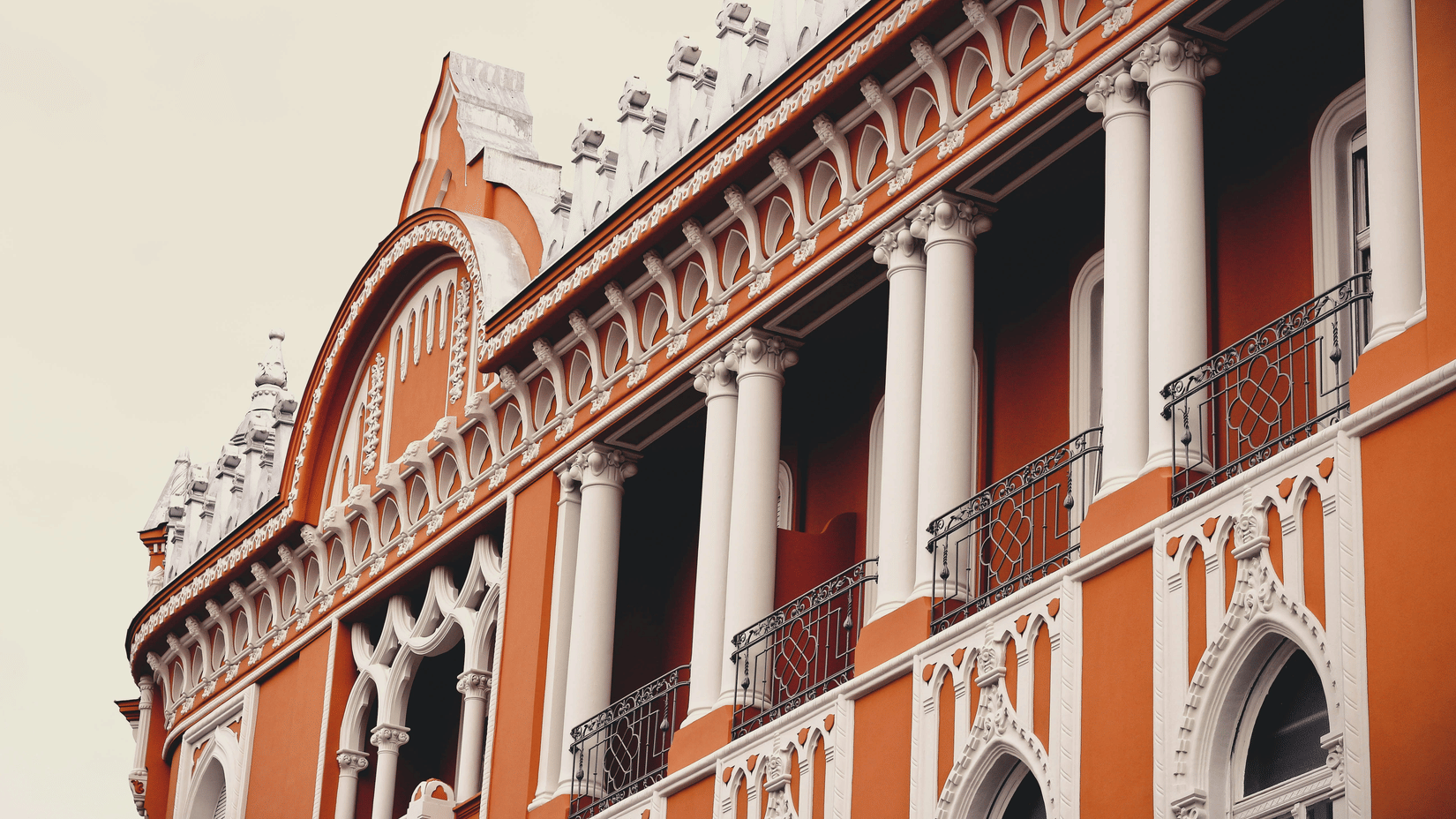
The Tagores of Jorasanko, and the Bengal They Remade
Prince Dwarkanath Tagore, Rabindranath's grandfather, expanded the house and built the family fortune as a businessman. His son Debendranath became a central figure of the Bengal Renaissance, the movement that reshaped Bengali thought. The household was unusual for producing reformers, poets, and painters within the same few generations.
Abanindranath and Gaganendranath Tagore occupied the Boithak Khana Bari, a separate building within the same compound. Between them, they founded the Bengal School of Art, which broke deliberately from academic European painting. Literature, painting, music, and social reform all ran through these rooms at once, which is what makes the address matter.
Rabindranath Tagore House: The Home Behind the Legacy
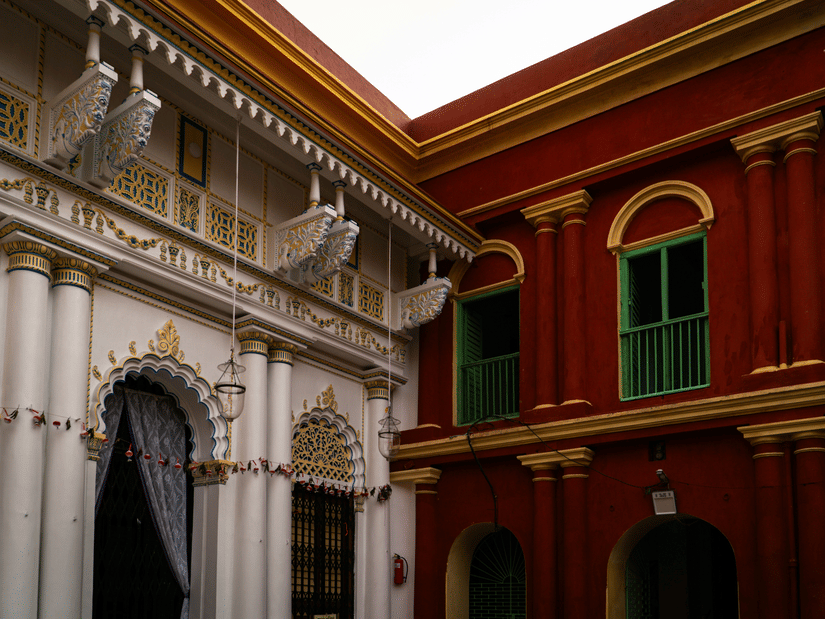
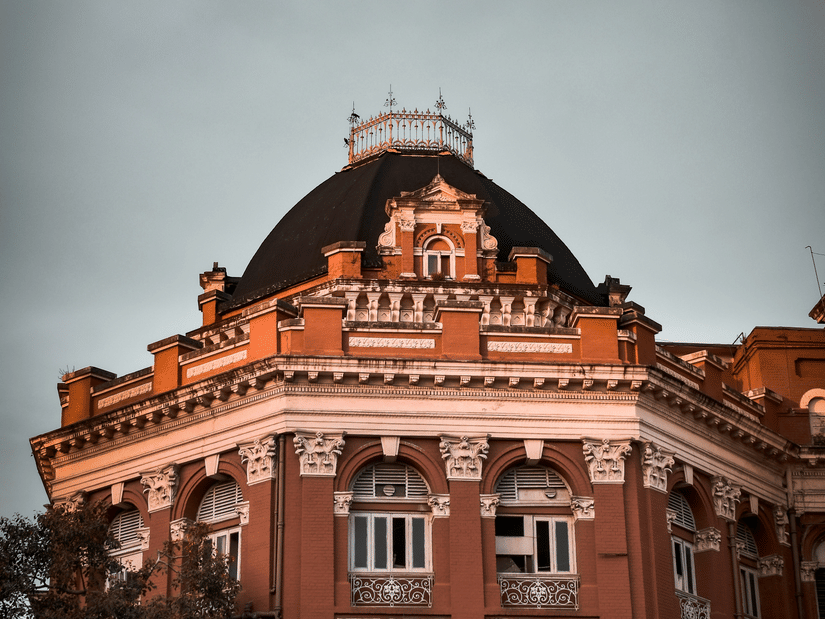
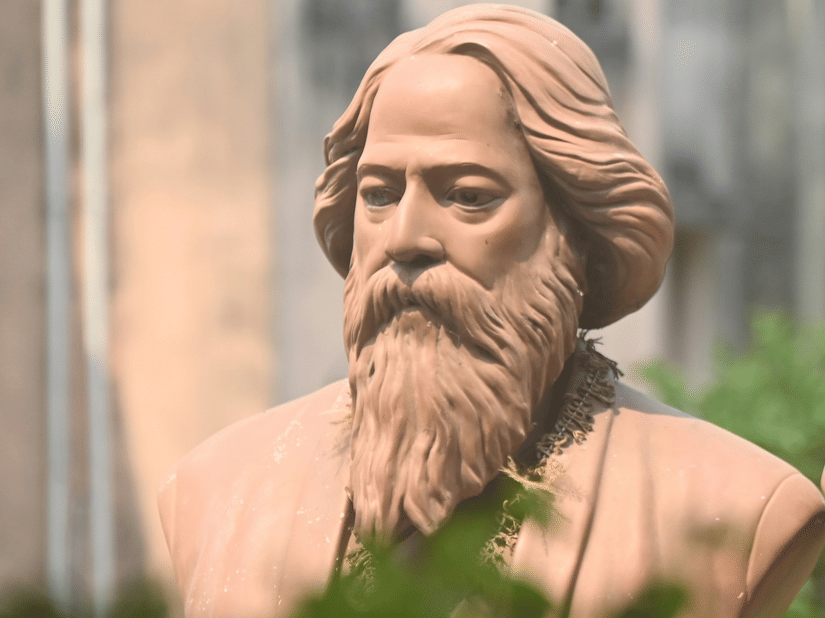
The Rabindranath Tagore House is the part of the compound with the strongest claim for a visit. He was born in 1861 in the Bhadrashan Bari, the section now known as Maharshi Bhavan. He spent a substantial part of his life in this house, and he died here in 1941.
In between, he became the first non-European writer to win the Nobel Prize in Literature. The award came in 1913 for Gitanjali, a collection of his poems, and it made him known worldwide. He also wrote the words to the national anthems that India and Bangladesh still sing. Standing in the rooms where that work began is a plainer experience than the biography suggests.
Jorasanko Thakur Bari Location
The Jorasanko Thakur Bari location is 6/4 Dwarkanath Tagore Lane, in the old northern quarter of Kolkata. The nearest station is Girish Park, an underground stop on the north-south corridor of the metro. That corridor runs the length of the city, which makes the house reachable from almost anywhere central.
From the station, the lanes narrow quickly, and the last stretch is easier to cover on foot. Yellow taxis and app cabs both serve the area, though traffic moves slowly through the middle of the day. Arriving by metro and walking the final few minutes is usually the faster of the 2 options.
What the Rabindra Bharati Museum Holds
The museum keeps the Tagore family's own possessions alongside a genuinely serious collection of art. Manuscripts, photographs, personal effects, and the preserved living spaces are spread across several of the galleries. The rooms show how the family actually lived, rather than marching a visitor through a chronology.
The art holdings include work from the Bengal School founded by Abanindranath and portraits in the Anglo-Indian tradition. Separate thematic galleries trace Rabindranath's ties to Japan, China, Hungary, and the United States. An Italian gallery has been planned to join them, though it had not opened at the time of writing.
Dalan Courtyards and a Red Brick Wing from 1897
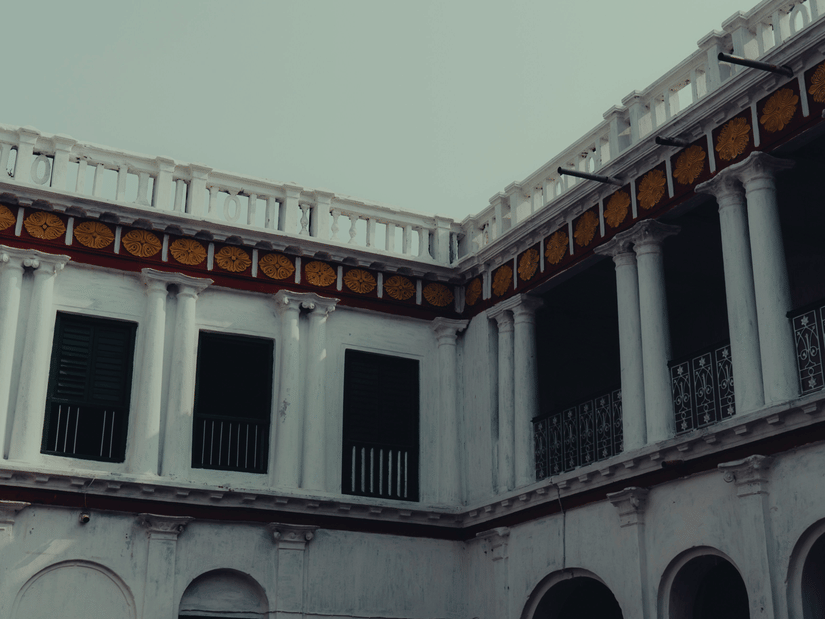
The main house at Jorasanko Thakurbari follows the traditional Bengali dalan style, built around courtyards with pillared verandas facing inward. It is domestic architecture rather than a palace, scaled for a large family living together. The courtyards do most of the work here, carrying light and air through the rooms around them.
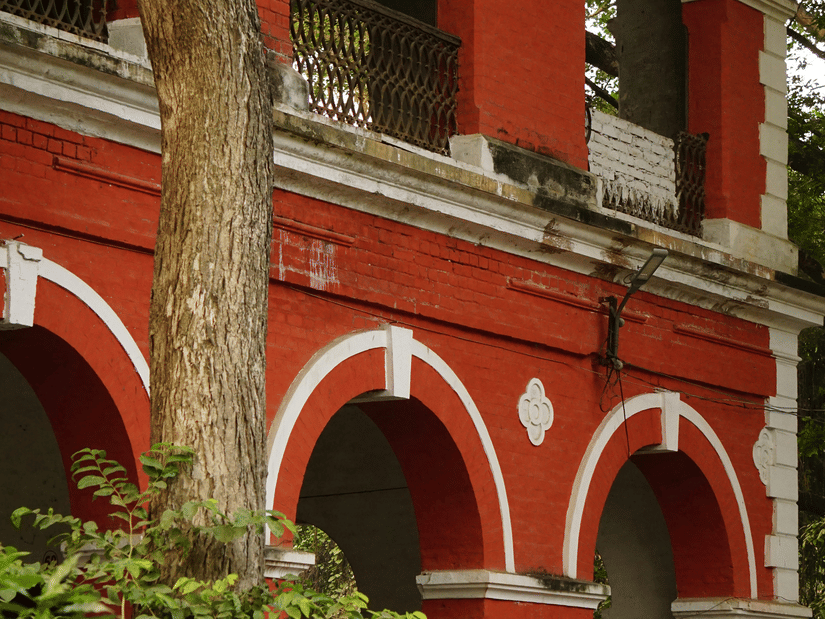
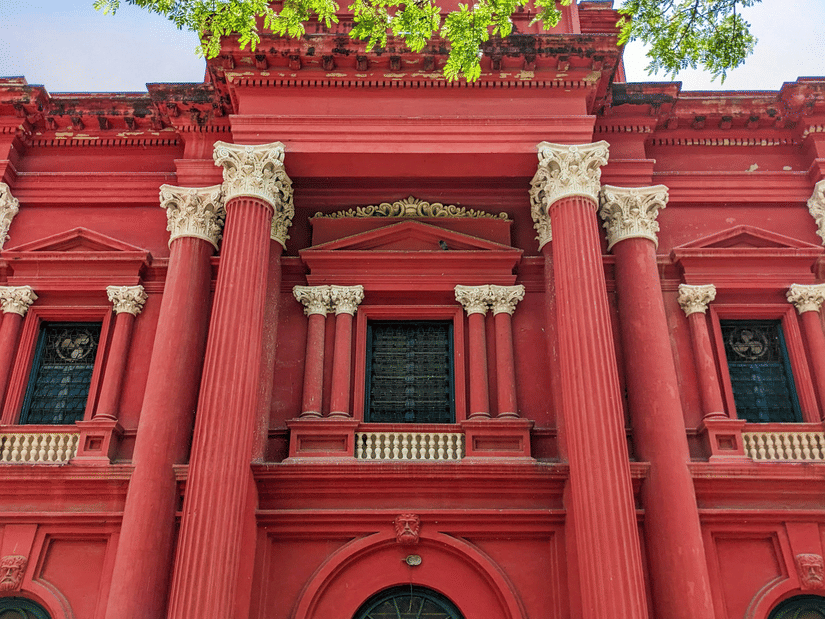
Bichitra Bhavan, added in 1897, follows a colonial idiom rather than the older Bengali pattern. It is a red brick structure standing among trees, and the contrast with the older wings is immediate. The compound reads as 2 architectural centuries sharing a single address and the same family.
Panchise Baisakh, and the Days the House Fills
Panchise Baisakh is the 25th day of the Bengali month, and it marks Rabindranath's birthday, or Rabindra Jayanti. Baishe Shravan marks his death anniversary, and it is observed at Rabindranath Tagore House in much the same spirit. Both days bring recitation, song, and crowds that change the atmosphere of the place completely.
The university also runs Aban Mela, a festival of the arts named after Abanindranath Tagore. Exhibitions and cultural programmes appear throughout the year, and an evening light and sound show runs at the site. Checking the university calendar before you travel is well worth the minute that it takes.
Hours, Tickets, and Visiting Details
Opening Hours: 10:30 AM to 5:00 PM, with the last ticket sold at 4:30 PM.
Closed on: Mondays, government holidays, and University Foundation Day on 24 Baisakh in early May, the day after Rabindra Jayanti.
Photography: Not permitted inside the galleries; photography is allowed in the exterior areas and courtyards.
Best Time to Visit: Arrive soon after opening for fewer people in the galleries and better light outdoors.
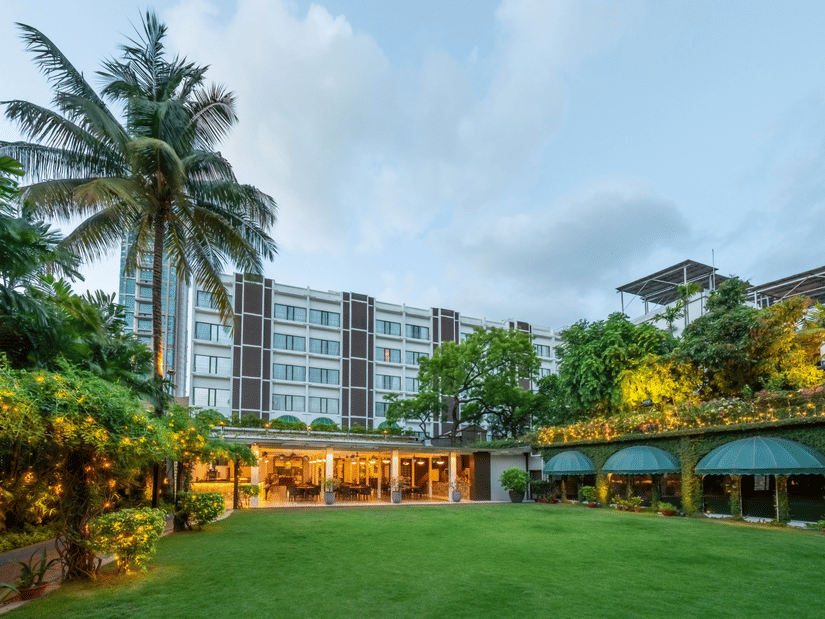
Back at the hotel, settle into our Executive or Business Club Room, or spread out in our Junior Suite, Premier Club Suite, or Presidential Suite. Our concierge and valet service help with the details, while the travel desk arranges a car for Jorasanko or plans a wider heritage circuit.
Come mealtime, Aromas brings Indian and Continental dishes to tables indoors and out, with seating extending towards the gardens. Pick up a croissant, pastry, or freshly baked bread from Ovenfresh, or make your way to Vietnom for Vietnamese and Pan-Asian flavours.
After a day spent walking through Jorasanko and the city beyond, head to Sparoh for an Ayurveda or Thai treatment, join a yoga session, or make use of the fitness facilities and steam bath before calling it a day.