Why Devotees Come to Kalighat Kali Maa
What draws devotees to Kalighat Kali Maa is the belief that they are standing at one of the places where Sati's body fell. The story begins after Sati's death by self-immolation, when Shiva carried her body in grief, his dance of destruction threatening the world. Vishnu stopped him with the Sudarshan Chakra, dividing Sati's body into 51 pieces.
The places where those pieces fell became the Shakti Peethas. At Kalighat, local tradition says a Brahmin discovered a stone resembling a human toe in the river, identifying the spot as where the toes of Sati's right foot are believed to have fallen. For devotees, that connection makes this ghat more than a historic temple site.
Kalighat Temple History: From Manasingha to 1809
The Kalighat Temple history on record begins with a far humbler structure than the building standing now. King Manasingha is credited with commissioning an early shrine on this site in the 16th century. What replaced it came much later, and it took 11 years of work to finish.
Santosh Roy Choudhury, a devotee of the goddess, began building the present temple in 1798. It was completed in 1809 under the patronage of the Sabarna Roy Choudhury family of Barisha. That family had held land across this part of Bengal long before the city reached the shrine.
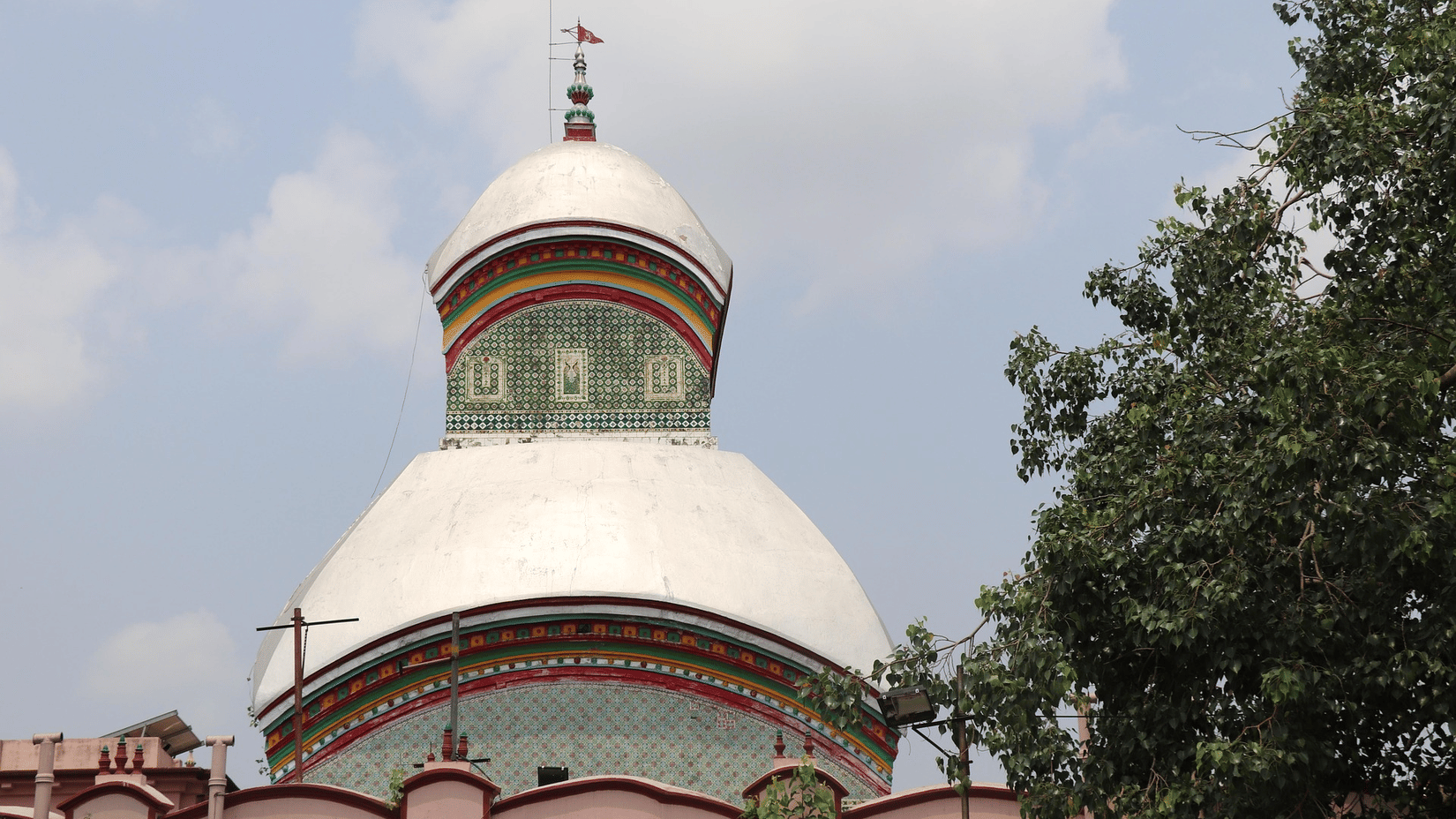
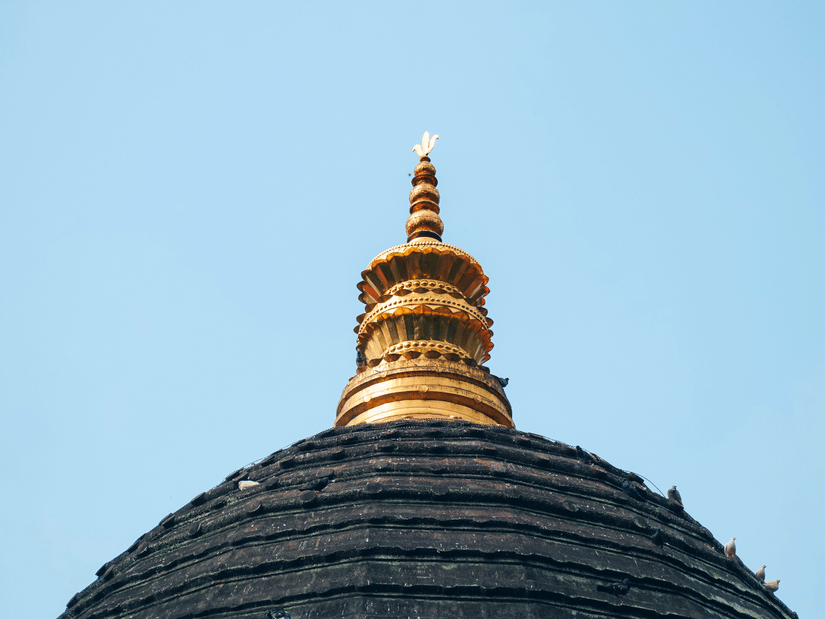
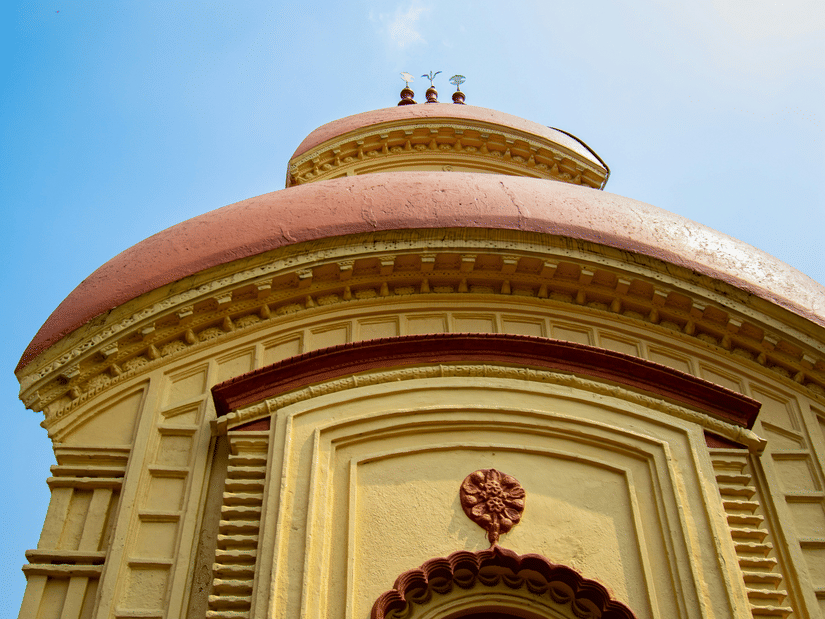
The shrine follows the ath-chala style of Bengal temple architecture, named for its 8 roof faces. The building itself is 4-sided and carries a truncated dome above 2 tiers of roof. Its outer walls run a diamond-shaped chessboard pattern, worked in the terracotta motifs that Bengal is known for.
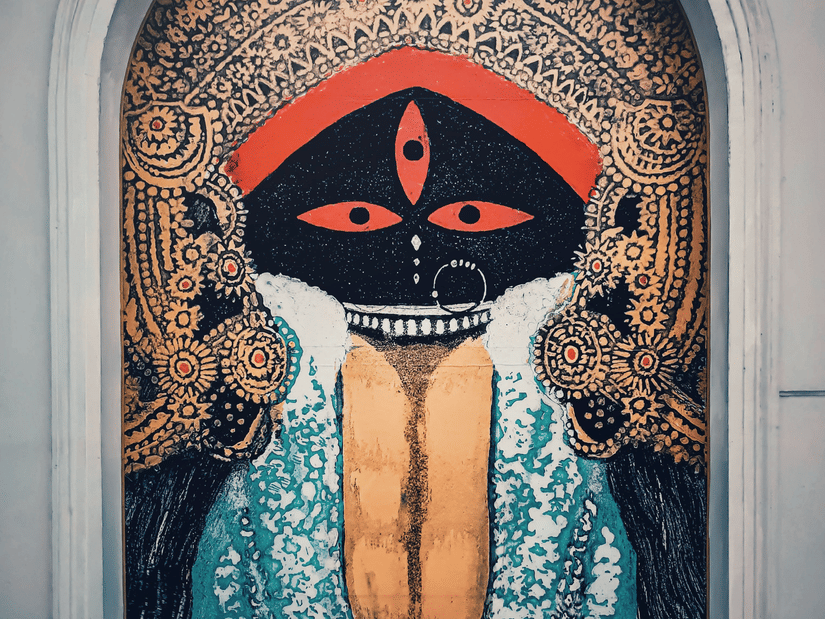
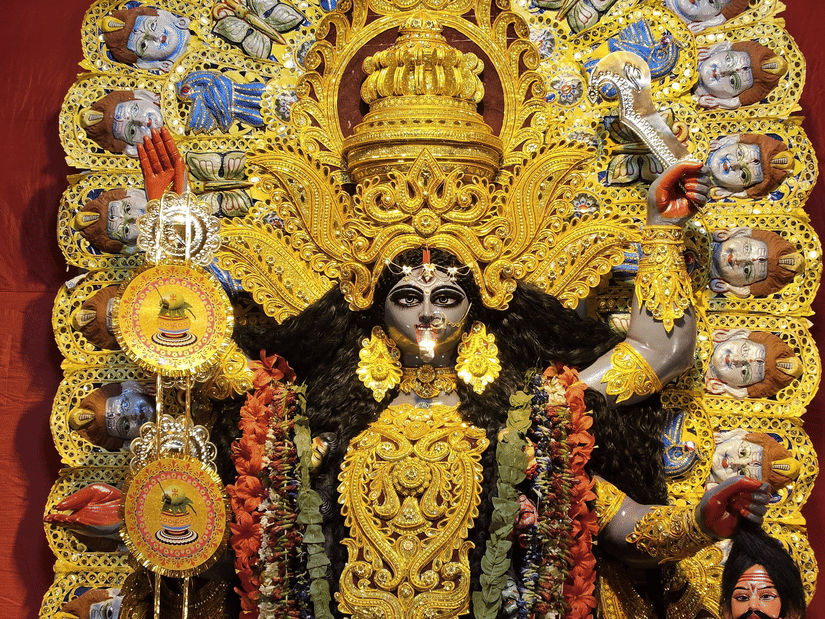
The idol inside is carved from sandstone, and it is attributed to the saints Atmaram and Brahmananda Giri. The goddess is shown with 3 piercing eyes and 4 divine hands, and her protruding tongue is made of gold. The image is compact rather than towering, which is not what the scale of the legend suggests.
Other structures share the compound, and each is worth the few extra minutes it takes. The Nat Mandir was built in 1835, the Shyam Rai Temple in 1843, and the Dal Mancha in 1858. A tank called Kundupukur sits within the grounds, and it carries its own ritual role.
The Kalighat Temple opening time splits the day into 2 windows, with a long closure between them.
Morning Opening Hours: 5:00 AM to 2:00 PM
Afternoon Closure: 2:00 PM to 5:00 PM
Evening Opening Hours: 5:00 PM to 10:30 PM
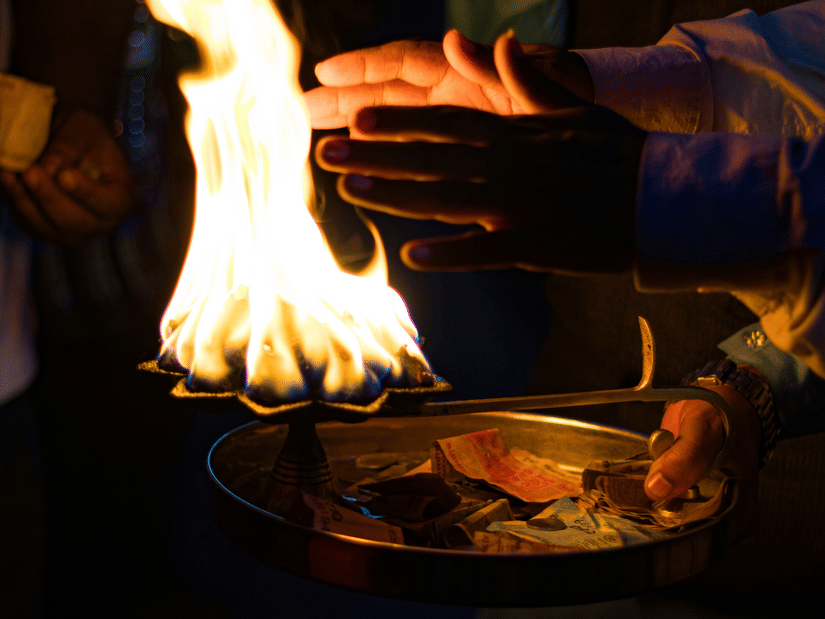
Best Time to Visit: Choose the early morning for a quieter experience, or come in the evening for a livelier atmosphere as devotees gather for aarti.
Note: Festival days tend to be busier, with timings sometimes changing for special rituals.
The early window suits anyone who wants the queue short and the courtyard reasonably calm. Evenings carry more atmosphere, with the crowd thicker through the aarti, the evening lamp ritual. Timings do shift around festivals and ritual days, so confirming locally before you travel is advisable.
Kali Puja, Snana Yatra, and the Crowded Amavasyas
Kali Puja is the largest date in the temple's year, and the compound fills well beyond its usual numbers. Durga Puja brings its own surge, as does Poila Boishakh at the Bengali New Year. Snana Yatra, the ritual bathing observance, draws devotees to the tank inside the temple grounds.
The numerous Amavasya nights, falling on the dark moon, are quieter but still fairly busy. Anyone hoping for an unhurried visit should check the Bengali calendar before fixing a date. The temple stays open through all of it, though patience becomes part of the experience.
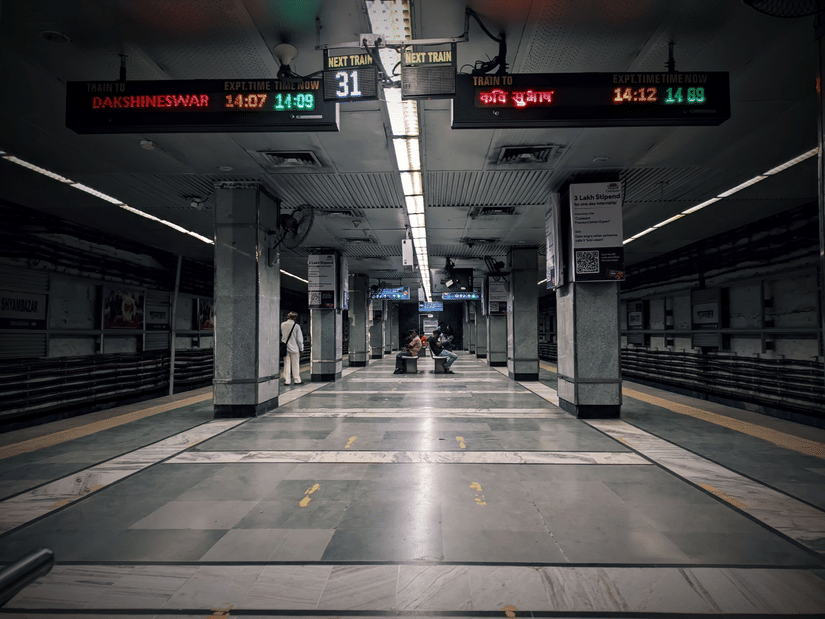
The underground station is a short walk from the gate of Kali Ghat Kali Mandir, making it an easy way to avoid much of the traffic around Kalighat. Taxis and app cabs are also readily available, although the lanes near the temple can get narrow and crowded.
Those lanes are part of the experience, lined with stalls selling hibiscus garlands, vermilion, conch bangles, sweets, and other offerings for the shrine. Kalighat painting, the bold folk style that took its name from the area, is still sold nearby. Leave your shoes at the designated stands outside the temple, keep valuables close, and follow the queue as you make your way inside.
For a wider Kolkata circuit, the Victoria Memorial and Indian Museum are a short drive away, while Dakshineswar lies further north along the river. Our guide to the city's famous temples brings the larger temple trail together.
Kenilworth Hotel, Kolkata: Your Base Close to Kalighat
Stay at Kenilworth Hotel, Kolkata, on Little Russel Street, around 4 km from Kalighat Kali Mandir. The drive takes roughly 23 minutes, so an early start for the temple's 5:00 AM opening is quite manageable. Maidan Metro Station is about a 10-minute walk away, with a direct connection towards Kalighat.
After darshan, return for a slower part of the day. Choose from our 7 room and suite categories, from the 280 sq. ft. Executive Room to the 951 sq. ft. Presidential Suite. Start with breakfast at Aromas, pick up freshly baked breads and pastries from Ovenfresh, or settle in for Vietnamese and Pan-Asian dishes at Vietnom. Keep up your routine at Pulse Fitness, unwind with a yoga session or steam bath, or book an Ayurveda or Thai treatment at Sparoh. With our concierge desk and valet service on hand, the rest of your Kolkata day can unfold at its own pace.